Regular markerboard cleaning
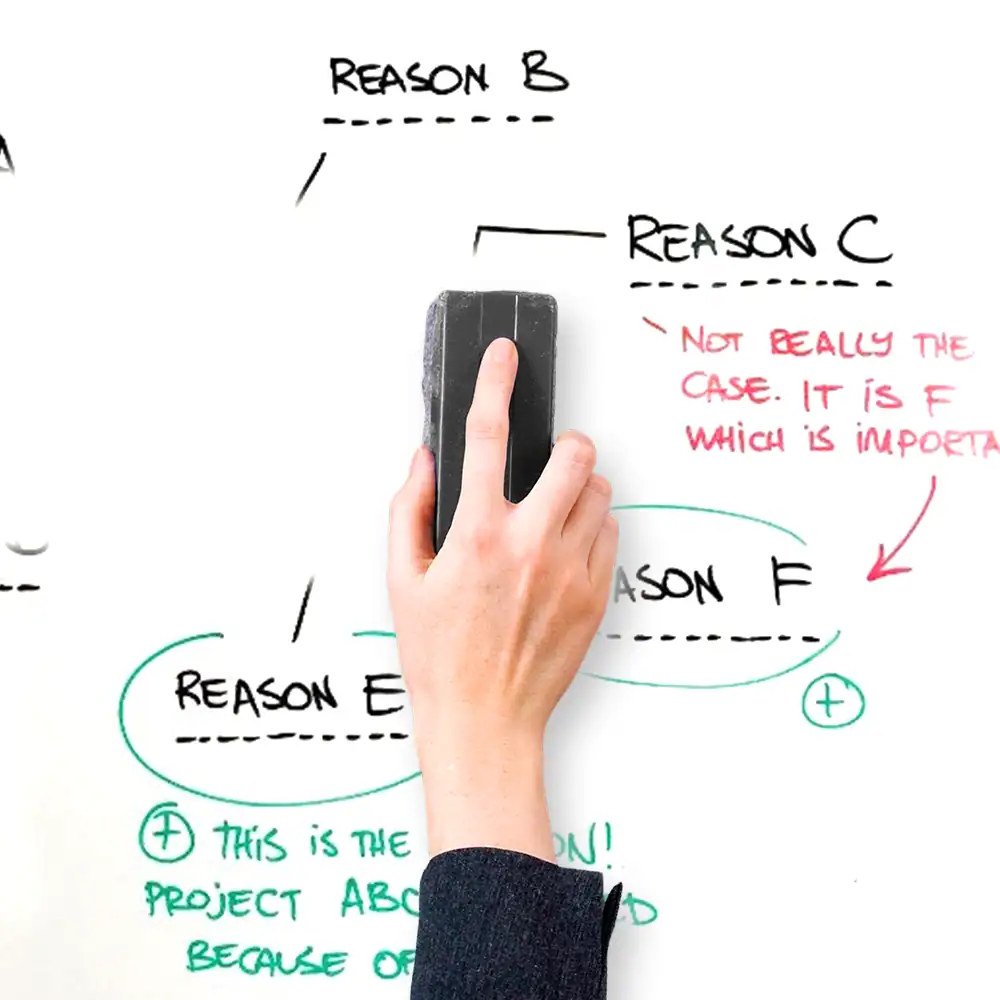
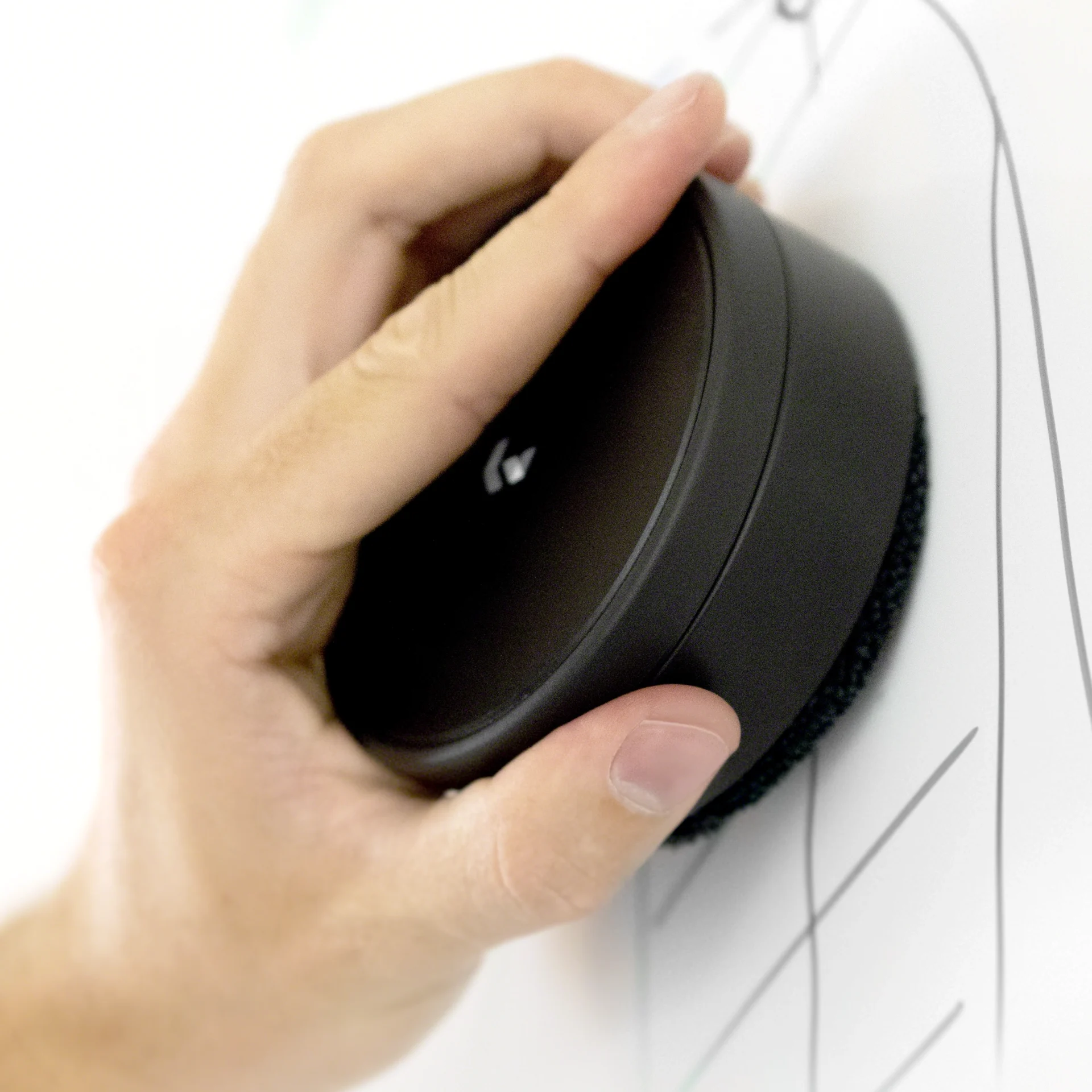
For daily use, erase the board with a clean markerboard eraser or a soft dry cloth. This removes most dry-erase marker residue and keeps the surface ready for the next meeting, lesson, or working session. For more thorough cleaning, use a soft cloth with water or a suitable markerboard cleaner. Wipe the surface evenly and dry it with a clean cloth. A clean and dry surface helps prevent marker build-up and keeps writing clear.
How often should a markerboard be cleaned?
The right cleaning frequency depends on how often the board is used. In classrooms, meeting rooms, and other high-use spaces, we recommend regular cleaning to avoid long-term marker build-up. For boards used daily, a deep clean once a week is a good routine. For boards used less often, cleaning only when residue becomes visible is usually enough.
How to remove ghosting from a markerboard
Ghosting happens when marker residue remains visible after erasing. This is often caused by ink build-up, dirty erasers, or cleaning products that leave a film on the surface. To remove ghosting, clean the board with a soft cloth and a suitable markerboard cleaner. For more stubborn marks, a small amount of isopropyl alcohol on a clean cloth can help remove the remaining residue. Always wipe the surface again with a clean damp cloth and dry it completely.
How to remove permanent marker from a markerboard
If permanent marker is used by mistake, do not scrape the surface. First, try writing over the permanent marker with a dry erase marker. Then erase the area with a clean eraser or cloth. If the mark remains, clean the area with a suitable markerboard cleaner or a small amount of isopropyl alcohol on a soft cloth. Wipe gently and repeat if needed. Finish by cleaning the surface with water and drying it with a clean cloth.
What not to use on CeramicSteel markerboards
To protect the writing experience, avoid products that can leave a film or damage the surface over time. Do not use wax-based cleaners, abrasive pads, scouring powders, or dirty cloths. Avoid using household products that contain oils or polish, as they can make the board harder to erase. Always use clean erasers and clean cloths. A dirty eraser can spread old marker residue back onto the surface.
Keep your markerboard performing
Good maintenance is simple. Use the right markers, erase regularly, and clean the surface before residue builds up. This helps preserve the clear writing experience that CeramicSteel markerboards are designed to provide. For detailed instructions, download the Polyvision Cleaning & Care Guide or contact the Polyvision team for product-specific recommendations.